
There’s an ocean of debate threads on the topic of eco-friendly, sustainable, energy-efficient insulation. The way you construct your roof, attic and walls directly impacts your material options. The goal is to create a tight building envelope with strong thermal and acoustic insulating properties.
We’ve got a few different roof styles in the house, which each demand a different solution. Here’s what I’ve learned:
Exposed rafters:
You need to use some sort of Rigid insulation under the roof and above the framing timbers. The options include materials like ISO (foam = boo!) and Cork (still searching for others if you hear of anything). Some interesting notes on cork:
ThermaCork, cork is a renewable resource (they shave it every 10 years) and it can claim to be carbon-negative since it actually stores carbon in it’s fibers. Another way people talk about cork (and hemp) is that it is a low embodied energy to harvest and produce and they are able to reclaim all the waste in the manufacturing of the panels. #zerowaste ftw! Thermacork panels are R-4 per inch, which is the factor used to calculate the thickness of any insulation you specify.


Tongue & Groove panel ceiling
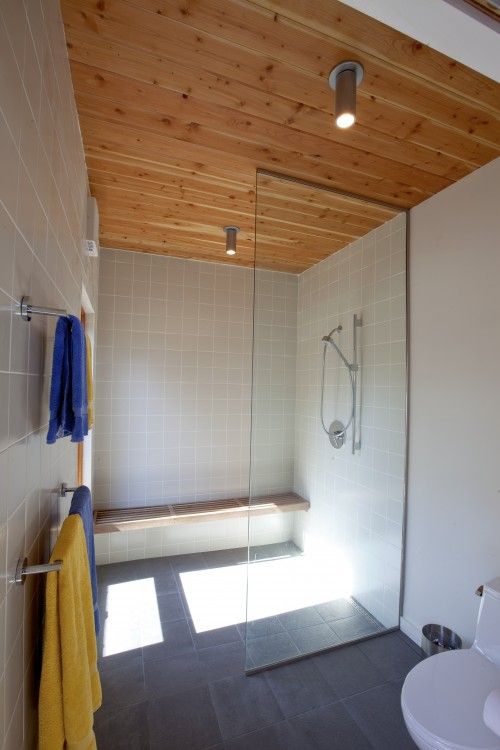
The reason I’m looking at tongue & groove paneling for the ceiling is so that you can eliminate drywall on the ceiling. Eliminate drywall, you eliminate a bit of labor, the painting and the dry time. Side note: I’m not sure whether you could wax / seal / paint the wood in advance. I’ve read that some people don’t even need to treat the wood they use since it doesn’t experience any wear. My options here include: Loose or dense cellulose insulation, recycled cotton, wool, or any other eco-batt materials. I thought the recycled denim sounded cool, so I found a local supplier, Payle$$ Insulation (those dollar signs just kill me!) to speak with.
The folks at Payle$$ recommended Celbar for our ceilings. He explained that we need to leave a cavity between the plywood roof decking and the 2×12 framing so that they can insert a web / mesh layer that acts as the container for blowing in the insulation. If you have an 11″ cavity, you can achieve something like R40 for the ceiling. You just cover the insulation with the wood panels and you’re done. There’s technically no seal between the insulation material and your indoor air, so forget using foam; you should choose something non-toxic like cellulose, wood, cotton, etc. Why? Because that insulation is directly under the roof, it gets really hot and then off gasses whatever nasty chemicals it’s covered in into your house.


Stick frame walls
For any of my walls that aren’t made of the Blox, I will need an insulation primarily for acoustic properties. Options here include: cork, wool, recycled cotton, other eco-bat, cellulose. Celbar is spray-applied in wall cavities to form a monolithic coating. It’s a recycled paper product. Probably close to a R19 for a standard-thickness wall. Cork comes in panels and people use it as wall cladding; R3.4 per inch. There’s also Borate-based cellulose insulation, which is banned in Europe (?) and has mixed reviews in the green building community.
A company called Brookyln Insulation also does loose fill and dense packed cellulose insulation (with recycled paper) for retrofit wall and roof applications. Not sure why it only works for retrofit, but a friend of mine who remodled and achieved LEED certification in Dallas told me about them.
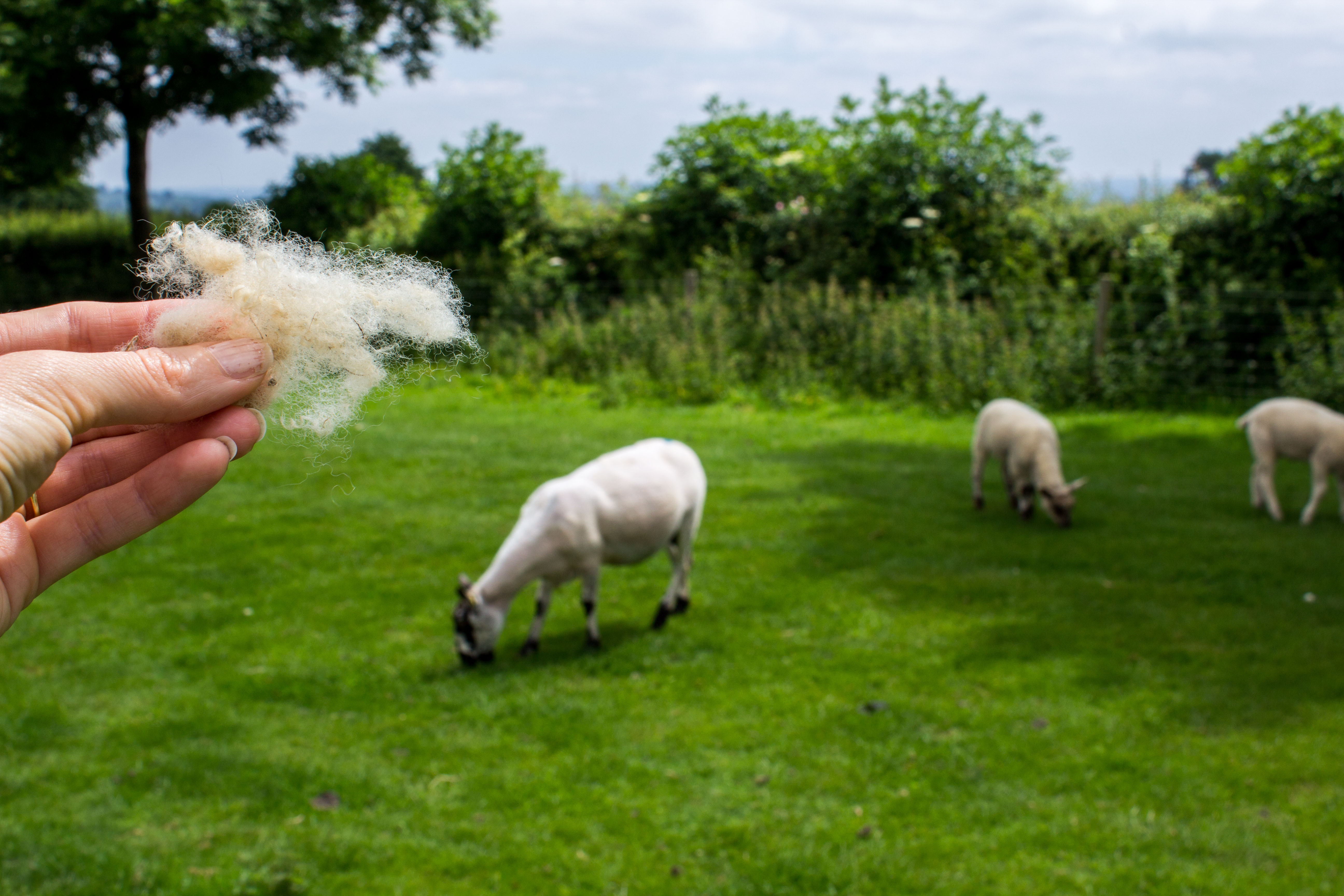
This family-owned Oregon farm produces wool insulation, called Oregon Shepherd. Why wool? Because sheep are so cute! Also, I learned that in recent years, the demand for wool has so decreased that farmers are just burning / discarding wool from regular shearing sessions. Help put that to good use and save the sheep farmers!!
- Wool can absorb and breakdown indoor air pollutants such as formaldehyde, nitrogen dioxide, and sulfur dioxide.
- It’s a recyclable and renewable resource; every year sheep grow a new crop.
- Wool provides good sound absorption and claims to be fire resistant.
- Achieves ~ R21 for a 5in wall
Bonded Logic is the brand that recycles jeans into insulation–hurray! Their product is called UltraTouch and helps divert clothes from landfill. It’s only 80% recycled content, so it does require virgin fibers and there’s no information on whether or not they are sourcing from ethical supply chains. It claims to not contain any added formaldehyde or harmful irritants. That adjective “added” is starting to crop up a lot in material technical specs. I reckon it’s the same difference between sugar-free and no added sugar. Why not press manufacturers to go formaldehyde-free? Also, For those of you who don’t know me, I’m super passionate about driving sustainable practices within the fashion industry. So, although there’s still some issues with this solution, it’s neat to see the way one company is addressing the immense waste problem that is created by discarded used clothing.


The net of all of this is that we need to have a chat with our builder, determine what the architect has already called out and match the best material for our cavity availability (where you put the insulation) and the budget requirements.
 considerafield